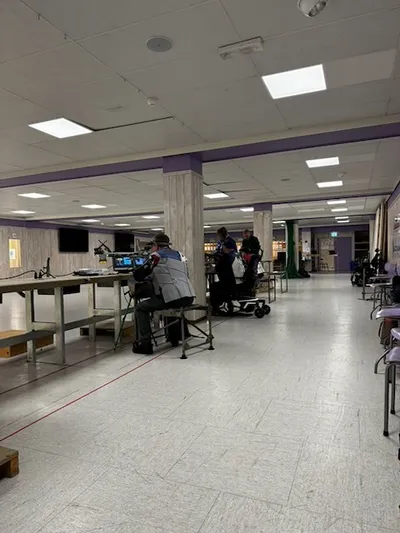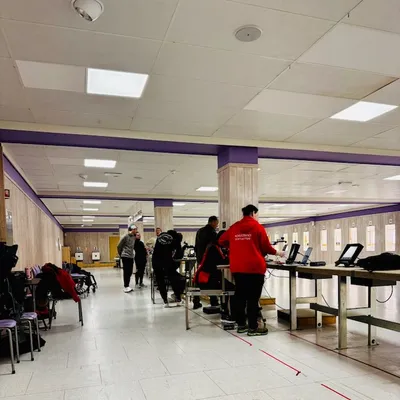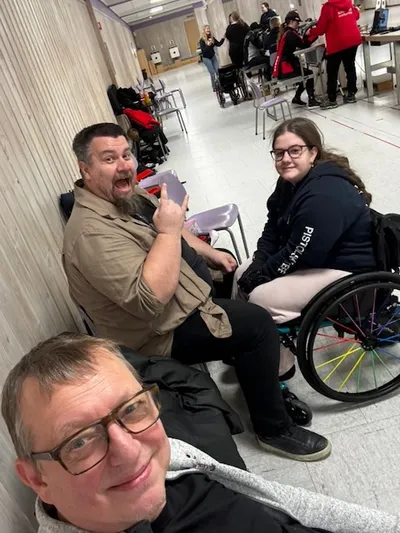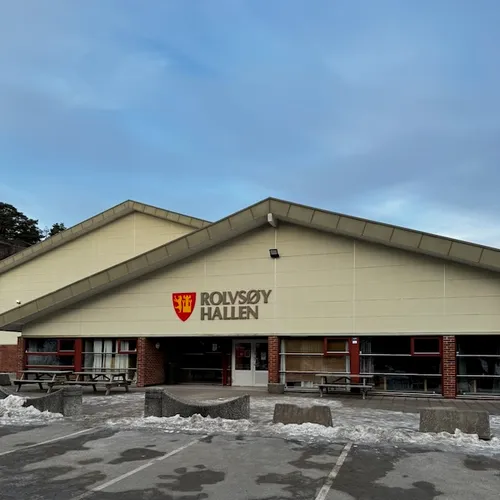
This weekend, Paul, Lani, and I participated in para classification and training camp at Rolvsøyhallen just outside Fredrikstad on January 31 - February 1, 2026. We were representing Kristiansand Pistolskyttere (KPS) and were joined by several other para shooters from around Norway.

About the Camp
The camp was organized by the Norwegian Shooting Federation (NSF) with Ole Fredrik Arneberg (NSF diversity advisor) as the event coordinator. The camp was designed to serve two primary purposes:
- Classification for new para athletes entering the sport
- Training camp for existing para shooters preparing for the upcoming National Championships in March
NSF has two physiotherapists who classify shooters in SH classes, and they participated in this work for shooters who were to be classified. The classification process is an important part of ensuring fair competition in para shooting sports.
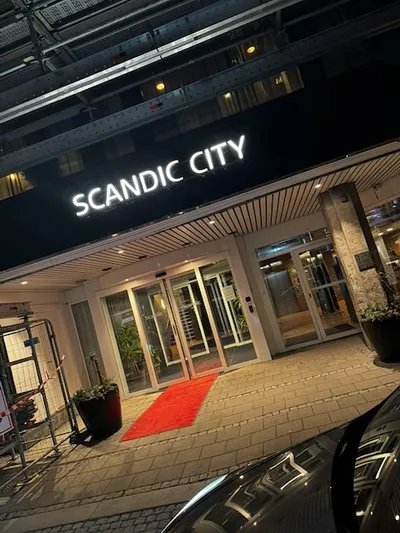
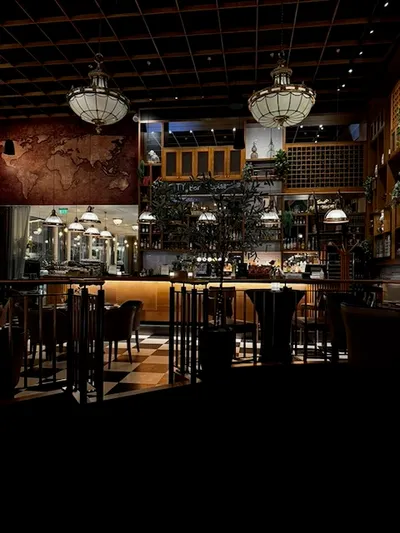
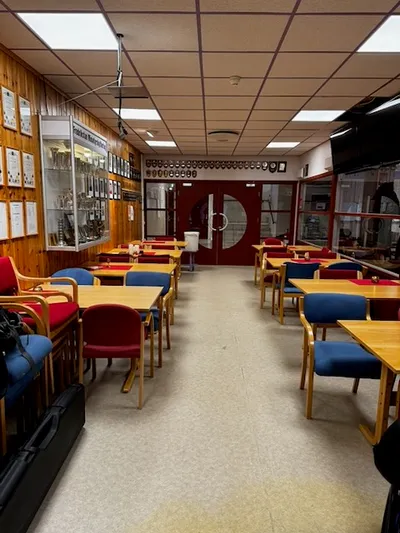
The camp took place at Rolvsøyhallen with accommodation at Scandic Hotel City in downtown Fredrikstad. Meals were provided at the range with a group dinner on Saturday evening at the hotel.
The Venue
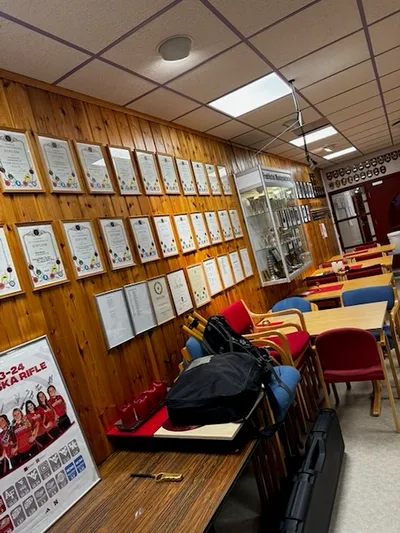
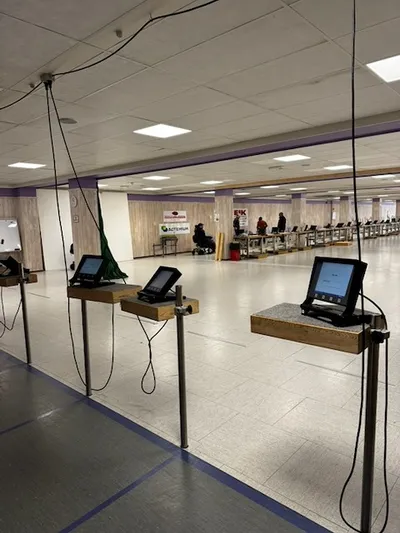
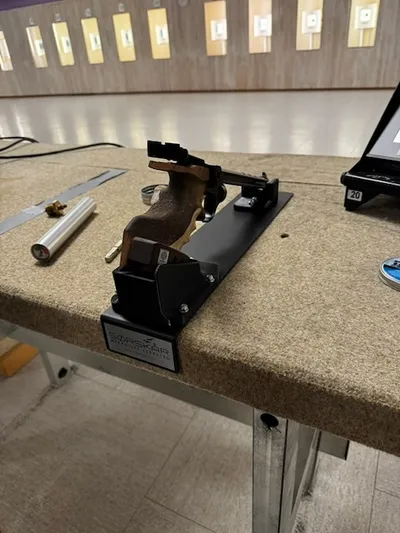
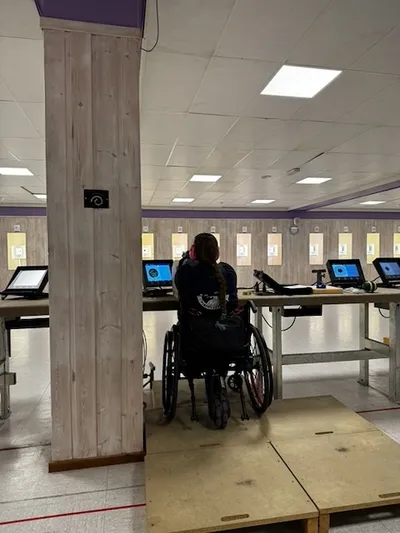
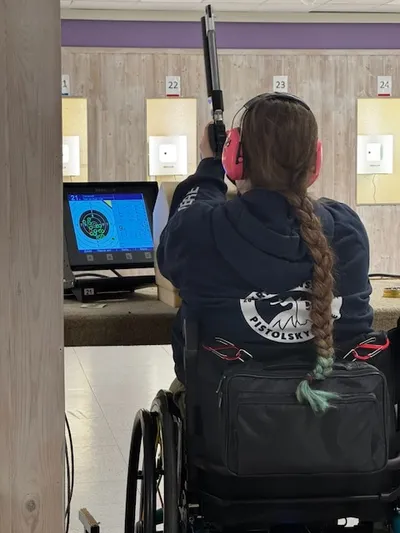
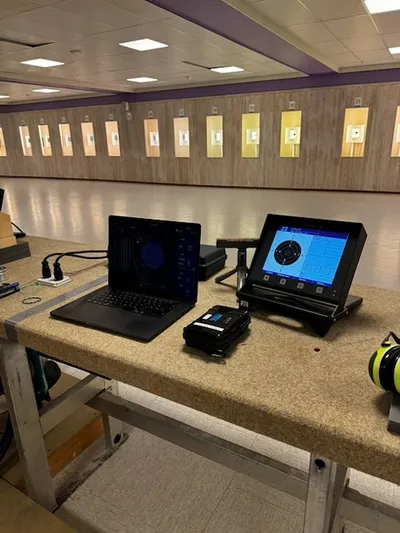
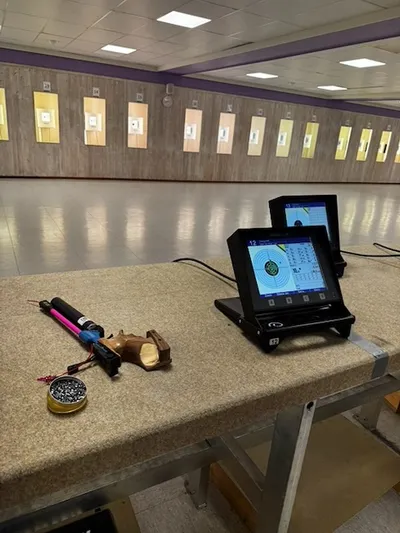
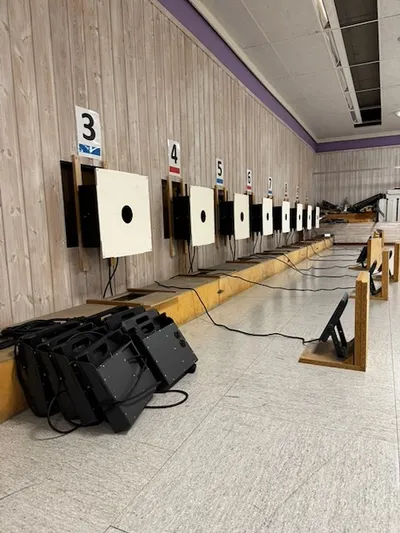
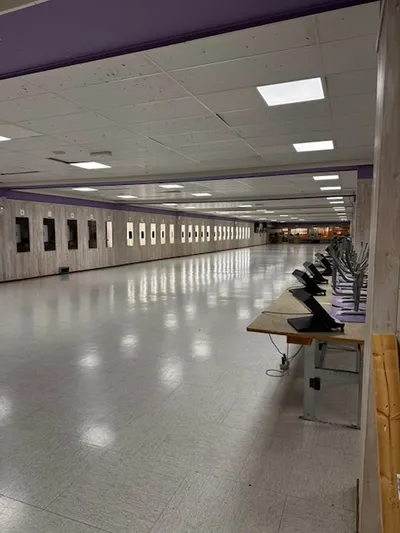
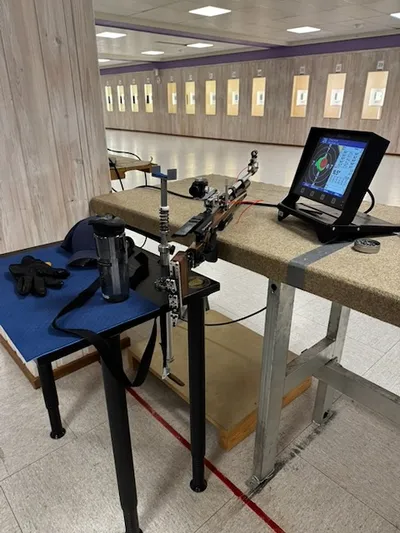
Rolvsøyhallen is an excellent shooting hall with good facilities for both rifle and pistol. The hall has 30 shooting positions for 10m pistol and rifle, as well as 10 positions for 50m rifle. Electronic targets from Megalink. This is the home arena for Fredrikstad Miniatyrskytterlag and Fredrikstad Sportsskyttere (FSS).
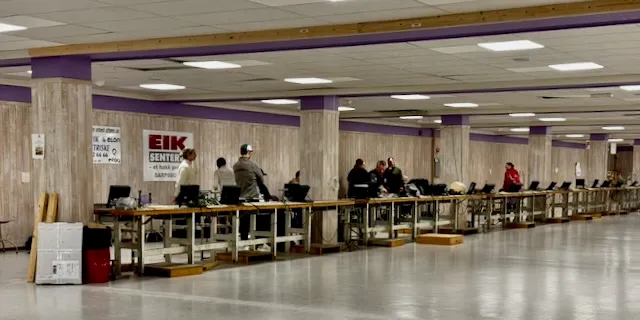
Coaching Team
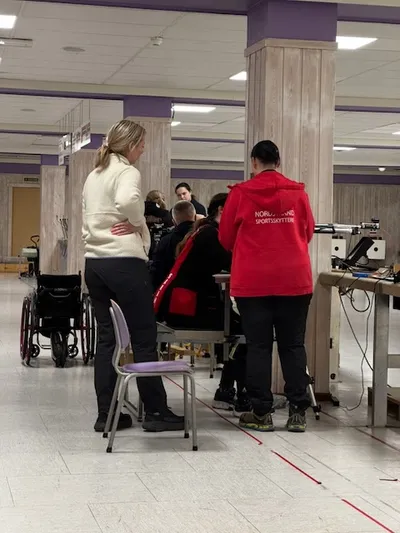
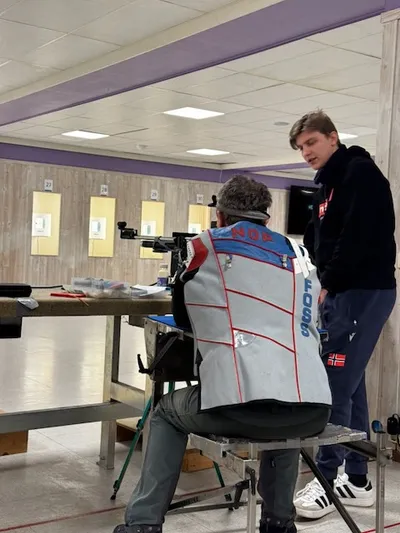
Ann Helen Aune participated as an instructor for pistol and Isak Gurrik for rifle. The federation’s para coach, Andrea Cathrine Nerdal Wick, also participated in the camp. This experienced coaching team provided individualized attention and expertise to all participants.
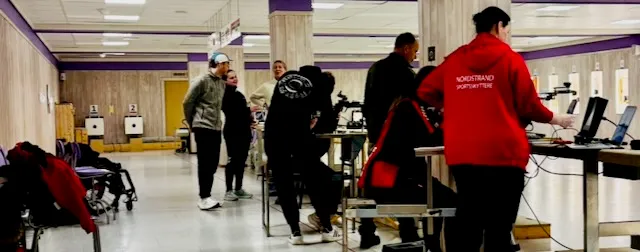
Participants
A total of 6 rifle shooters and 3 pistol shooters participated in the camp together with their support persons. This intimate group size allowed for personalized coaching and plenty of range time for each shooter.
Day 1: Friday & Saturday
We arrived Friday afternoon and checked in at Scandic Hotel City in downtown Fredrikstad. After a good night’s sleep and breakfast in the morning, we were ready for a day at the shooting hall on Saturday morning.
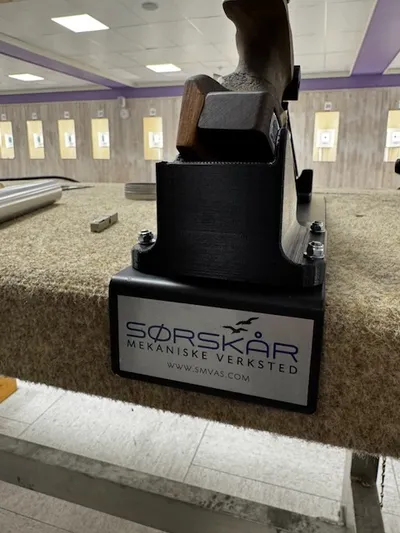
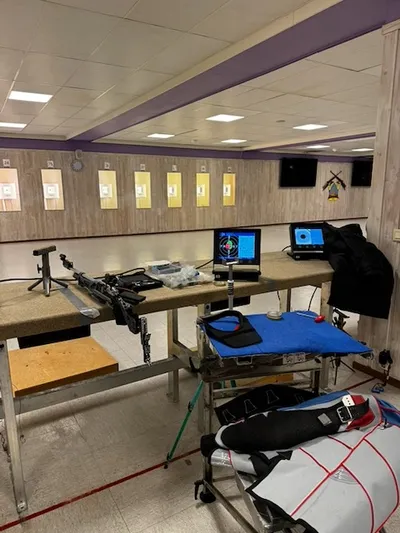
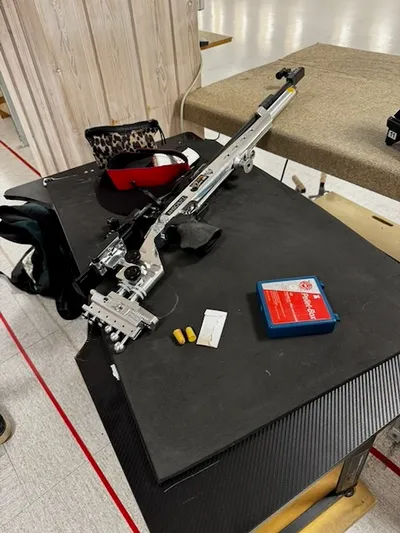
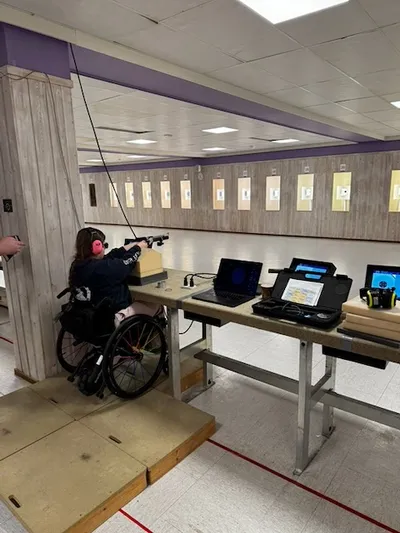
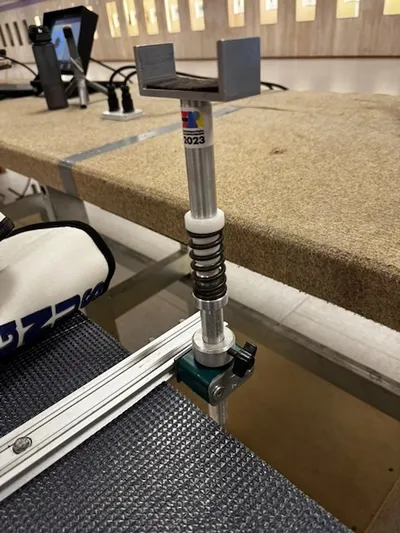
Start at 10:00 AM with equipment setup. The shooting table was a bit too high, so we had to make an improvised platform so that Lani could sit comfortably. After setting up the equipment, it was time for shooting.
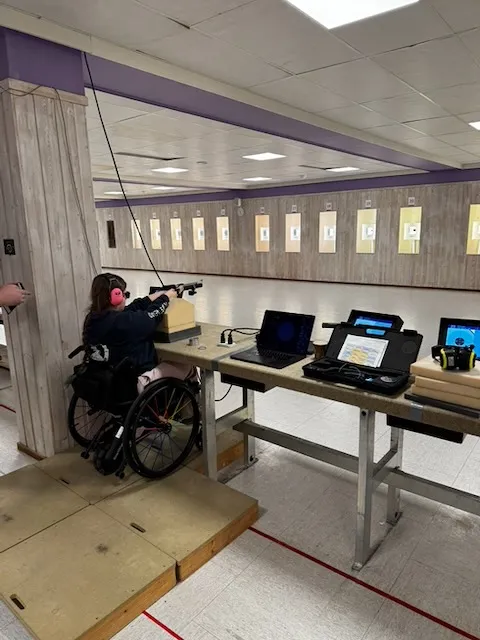
Lunch at 12:00 PM and then back to shooting until 3:00 PM. After a good session, we packed up and headed back to the hotel. A total of 90 shots were fired during the day.
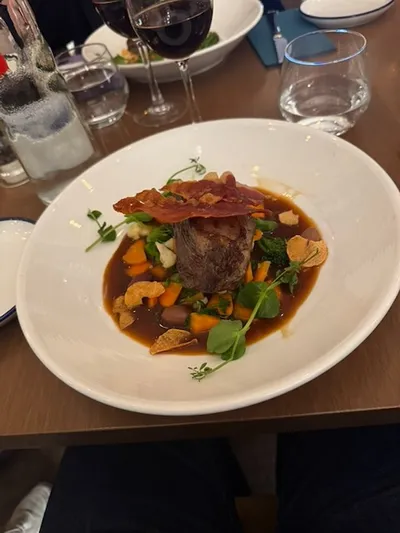
We had dinner at the restaurant at the hotel, and then it was time to relax before heading back to the shooting hall on Sunday.
Day 2: Sunday
Same schedule as Saturday, starting at 10:00 AM with equipment setup and shooting until 3:00 PM with a lunch break in between. Another good session with a total of 100 shots fired.
Training Focus & Technology
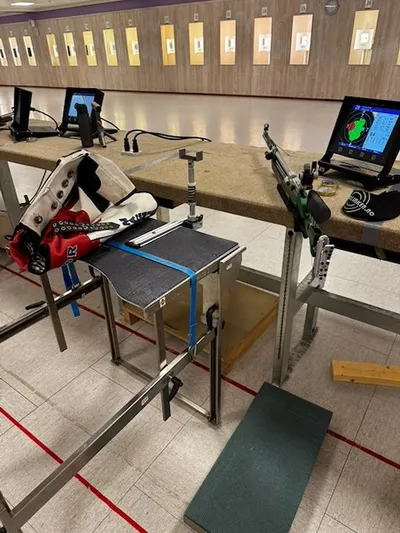
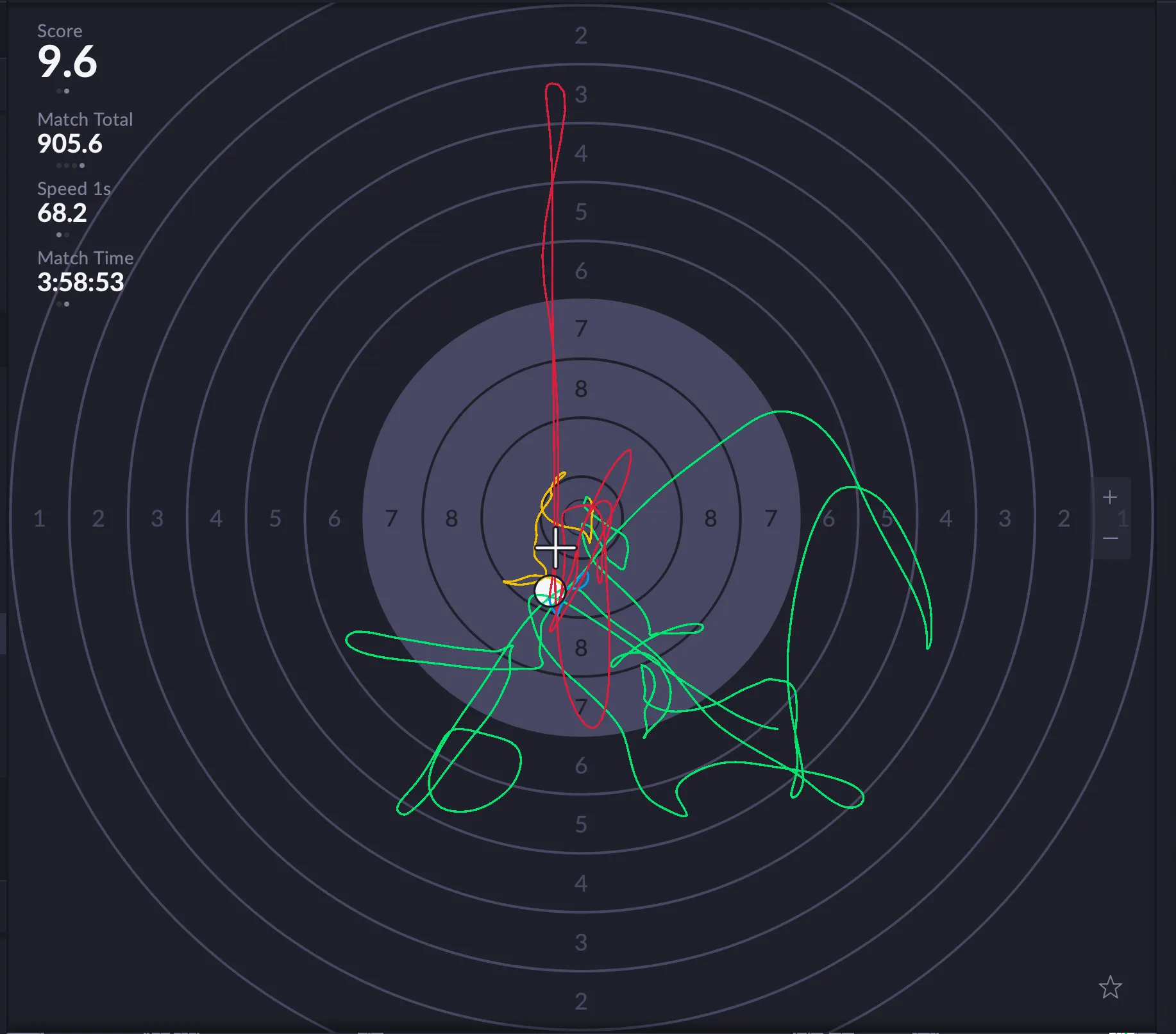
We used SCATT for training, which is a great tool for visualizing the shooting process and identifying areas for improvement. But visual inspection of the shooter did reveal primary areas for improvement and for us it was to work on follow through and trigger control. SCATT did confirm good shots from bad shots.
Over the two days, a total of 190 shots were fired, providing ample opportunity for practice and refinement.
Key Takeaways
- Follow through is critical for consistent shooting performance.
- Trigger control needs to be smooth and continuous.
- Take regular breaks to avoid fatigue and maintain focus.
Camp Atmosphere & Learning Experience
It was a calm and focused atmosphere throughout the camp, and everyone was eager to learn and improve their skills. Coaches provided valuable feedback and tips to help shooters enhance their performance. The shooters on the other hand did a great job of showing us different aspects of their disabilities and how it affected their shooting and life in general.
This camp represented an excellent opportunity to train alongside skilled instructors and receive valuable guidance on the range, all as preparation for the upcoming National Championships in March. The focus on both technical skills and competition preparation made this a comprehensive training experience.
Conclusion
Overall, it was a fantastic experience, and we are grateful to NSF for organizing the camp and providing us with the opportunity to learn and grow as para shooters and coaches. We look forward to more such events in the future!