
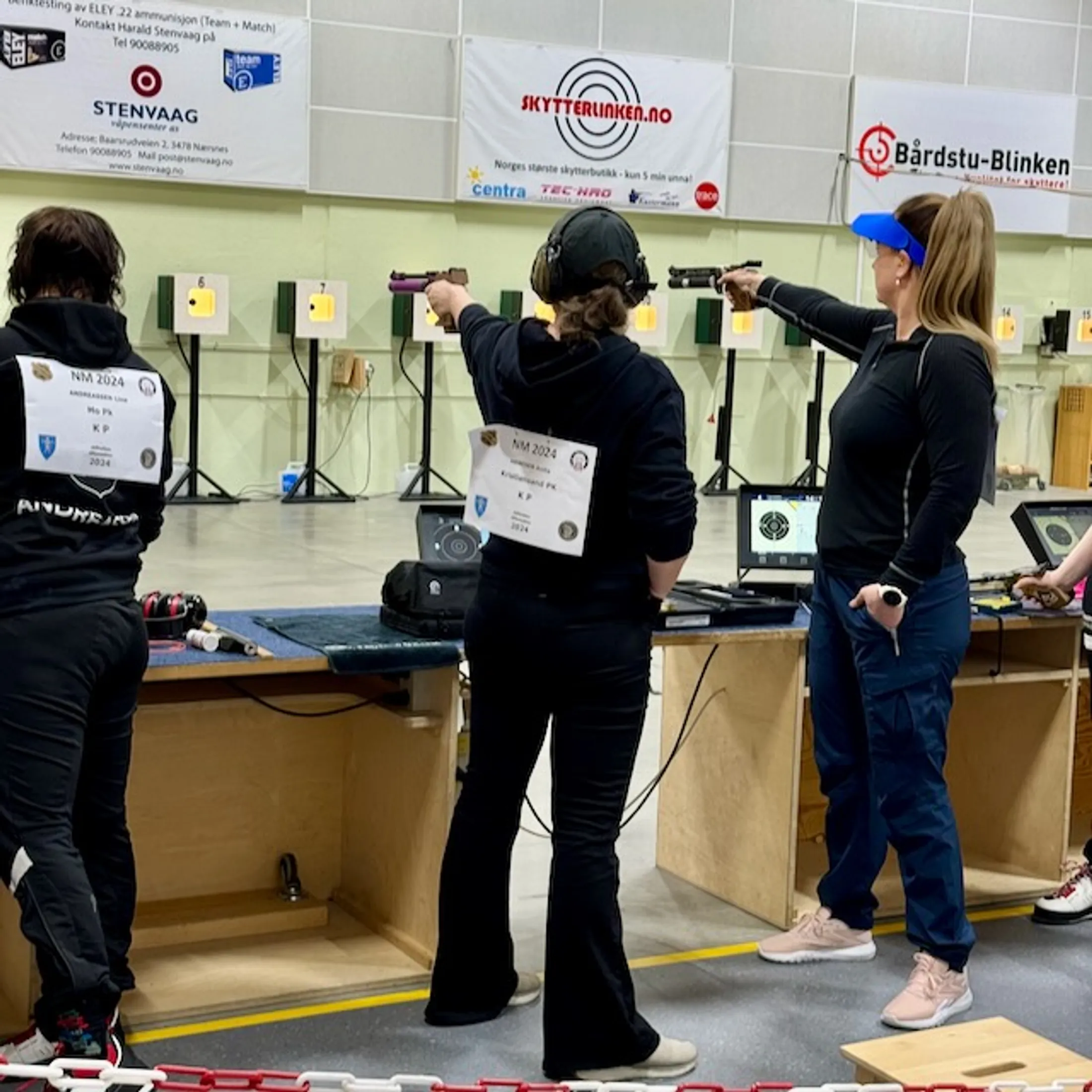


Grip pressure is one of the most misunderstood elements in pistol shooting. Many shooters search for a precise number or sensation—exactly how hard they should grip—only to become more tense and inconsistent.
The problem is not that grip matters too little. It’s that grip is often misunderstood as strength, rather than stability.
Grip is about control, not force
The purpose of the grip is simple:
- keep the pistol stable in the hand
- allow the trigger finger to move independently
- prevent unnecessary movement during the shot
Excessive grip pressure does not improve control. It often does the opposite.
When the grip becomes too strong:
- tension spreads into the wrist and forearm
- fine motor control in the trigger finger is reduced
- the pistol is pulled sideways during triggering
That is why sideways movement in the sights is such a reliable indicator:
If the sights jump sideways, the grip is doing too much.
Why “grip harder” feels tempting
Under pressure, many shooters instinctively tighten their grip. This feels logical—stronger must be safer—but the nervous system trades precision for force when stress rises.
This leads to:
- jerky trigger movement
- disturbed sight alignment
- increased anticipation
In training, this habit can develop even without pressure if the shooter is constantly judging results or rushing execution.
“Stable, not strong”
A good pistol grip feels:
- firm in the palm
- neutral in the wrist
- calm in the fingers
- independent at the trigger
The pistol should feel supported, not squeezed.
Importantly, the correct grip pressure may feel lighter than expected—especially for shooters coming from strength-based sports or early training habits.
Grip pressure must be repeatable
There is no single “correct” grip pressure that applies to everyone. Hand size, grip shape, trigger weight, and discipline all influence it.
What matters is:
- repeatability
- consistency across shots
- independence of the trigger finger
A grip that changes under pressure is not yet stable. A grip that stays calm under stress is doing its job.
What to take to the range
Instead of asking “How hard should I grip?”, ask:
- Do my sights stay aligned during trigger movement?
- Does my trigger finger move freely?
- Does tension increase as the shot breaks?
If the answer is no, yes, and no—you’re close.
Grip pressure is not something to force. It is something to settle.
References & Coaching Background
This understanding of grip pressure is consistent across classic and modern pistol-shooting literature:
-
The Fundamentals of Olympic Pistol Shooting – Željko Todorović Describes the grip as a stabilizing structure, not a force-generating one. Emphasizes trigger independence and warns against excessive hand tension.
-
Master Competitive Pistol Shooting – Ragnar Skanåker Repeatedly stresses that strong grip pressure interferes with fine motor control. Advocates for a calm, repeatable grip that allows uninterrupted triggering.
-
Competitive Shooting – A. A. Yuryev Analyzes how grip tension transfers into lateral pistol movement and trigger errors, particularly under pressure.
-
The Vital Problems of Pistol Shooting – Anatoliy Piddubnyy Examines neuromuscular interaction in the hand and explains why excessive grip force degrades shot quality before pellet exit.
Across these sources, the conclusion is consistent: Grip pressure must provide stability without interfering with trigger control. Strength alone never produces precision.