
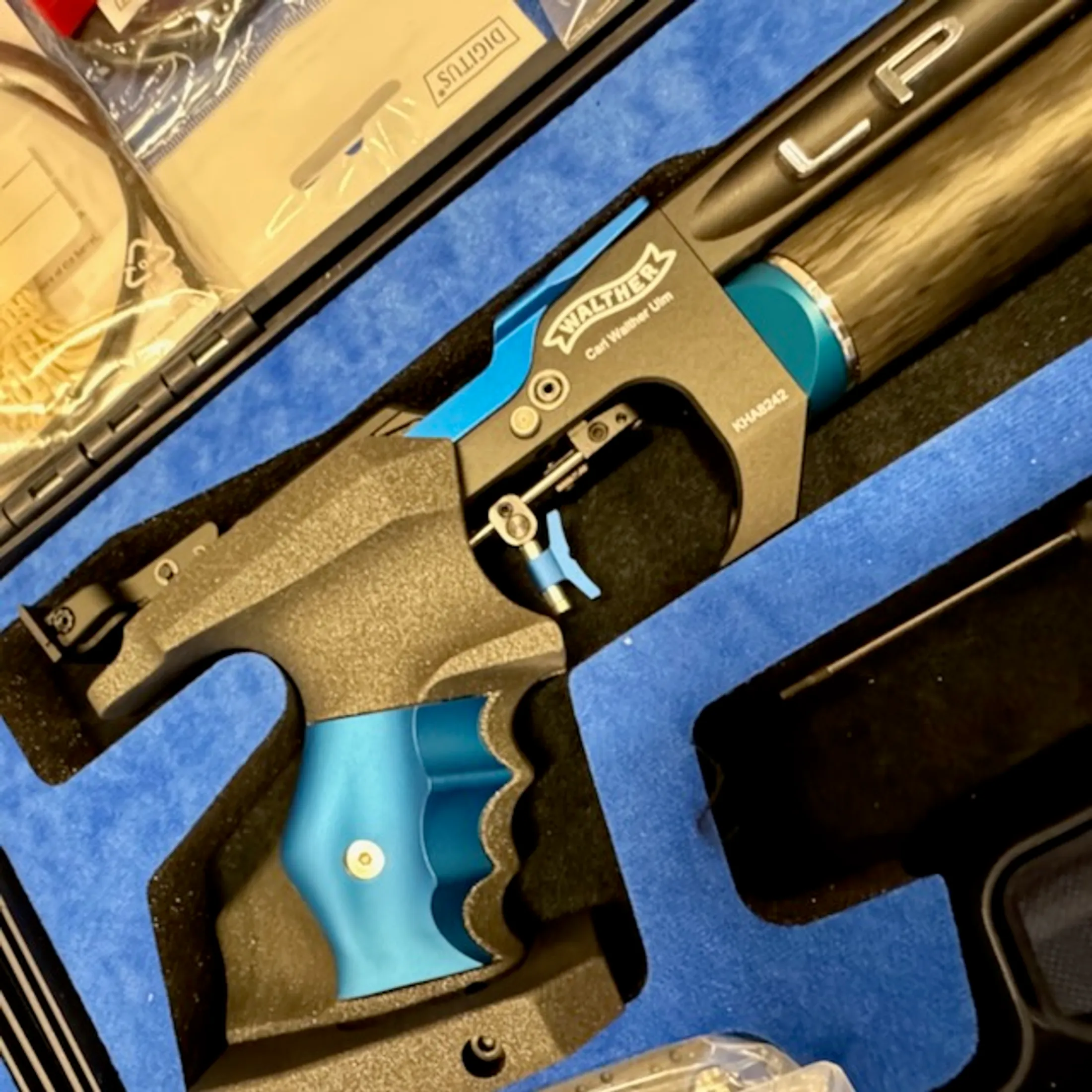


Dry fire is often treated as optional—a warm-up, a supplement, or something to do when ammunition is limited.
In reality, dry fire is foundational, because it removes everything that can hide technical problems.
Why dry fire reveals the truth
Without recoil, noise, or score:
- anticipation becomes obvious
- trigger interruption is visible
- grip tension reveals itself
- follow-through can’t be faked
Live fire can mask these issues. Dry fire cannot.
If execution is unstable in dry fire, live fire success is usually the result of compensation—not consistency.
Dry fire and motor learning
From a motor-learning perspective, dry fire is ideal practice:
- the task is simplified
- feedback is immediate
- errors are easy to see
This accelerates learning and stabilizes technique. That is why elite shooters dry fire even when ammunition and range time are plentiful.
Dry fire is not a replacement for live fire—it is where live fire quality is built.
Common dry-fire mistakes
Dry fire loses value when shooters:
- rush shots
- “pretend” shots went well
- avoid uncomfortable positions
- treat it as casual practice
Proper dry fire demands the same discipline as competition—minus the distraction.
What to take to the range
If you want honest feedback, ask during dry fire:
- Does the sight picture stay calm through the trigger?
- Does pressure continue uninterrupted?
- Does follow-through feel complete?
Dry fire always answers truthfully.
Read more about proper dry-fire technique in How to Dry Fire Correctly.
References & Coaching Background
The importance of dry fire is emphasized across classic and modern coaching literature:
-
The Vital Problems of Pistol Shooting – Anatoliy Piddubnyy
Explains why anticipation and trigger disturbance are most visible without recoil. -
Master Competitive Pistol Shooting – Ragnar Skanåker
Treats dry fire as the primary tool for stabilizing trigger control and follow-through. -
Working with SCATT – Tricia van Nus
Demonstrates how optoelectronic data confirms dry-fire instability before live-fire errors appear.