
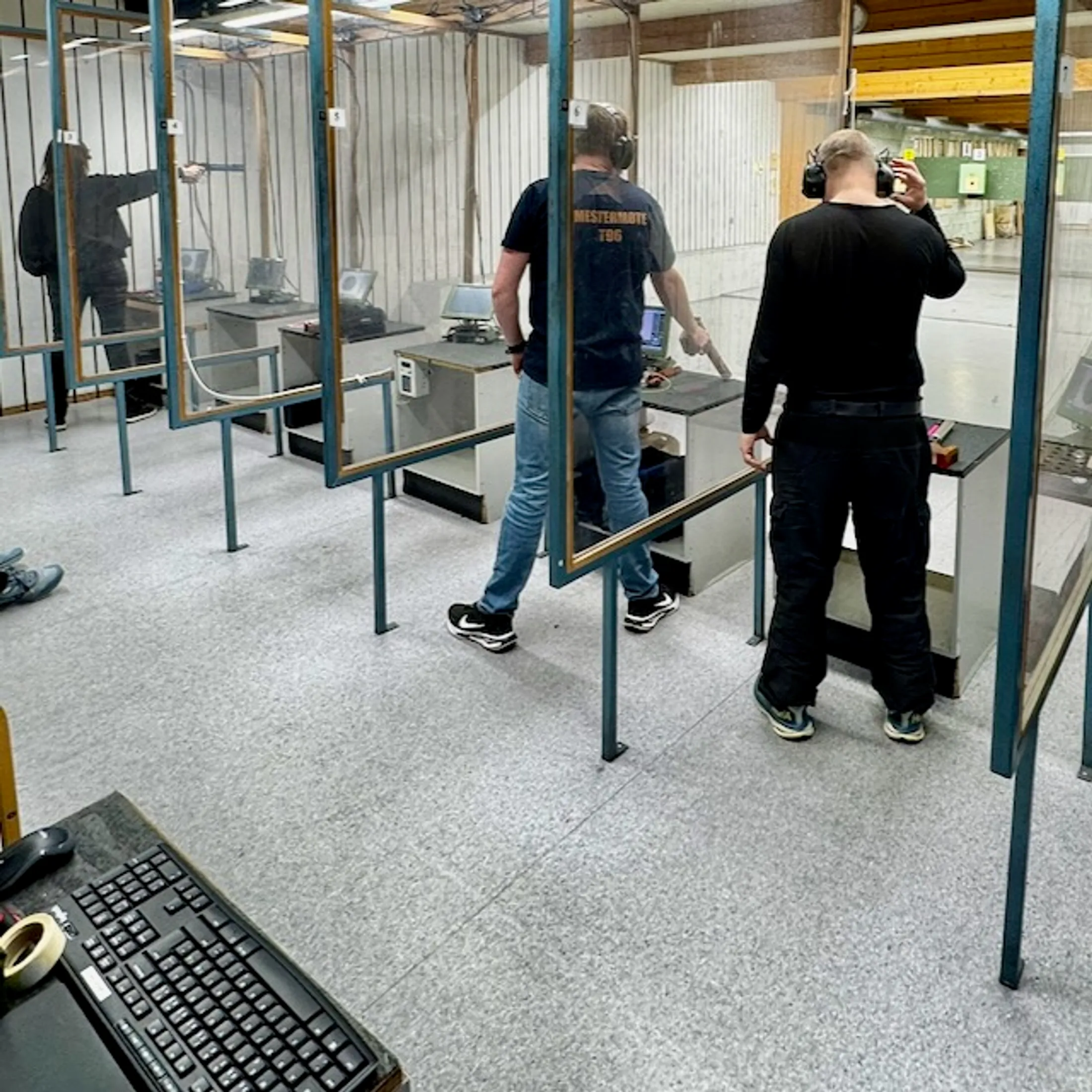


Resetting Is a Mental Skill, Not a Reflex
One of the most misunderstood moments in pistol shooting happens after the shot. Many athletes ask whether they should reset immediately or take time to reflect. The honest answer is that neither speed nor slowness is the goal—neutrality is.
Elite shooters do not rush past shots, nor do they dwell on them. They reset quickly emotionally, but deliberately mentally. This distinction is critical.
A shot is already over. Whatever its value, it cannot be changed. What can be influenced is the quality of the next action.
The Real Danger: Emotional Carryover
Emotion is sticky. Good shots create excitement. Bad shots create frustration. Both interfere with execution if they are allowed to leak into the next shot.
Research and coaching literature consistently show that performance degrades when athletes evaluate outcomes instead of processes during execution phases. In shooting, this is especially dangerous because even subtle emotional changes alter muscle tone, breathing rhythm, and trigger behavior.
The goal of resetting is therefore not evaluation, but emotional release.
Fast Enough to Stay Neutral
A proper reset happens as soon as emotional labeling stops.
- No replaying the sight picture
- No score prediction
- No self-judgment
The moment the shot breaks, the shooter’s job is to let go. This is why experienced shooters often appear calm or even indifferent after both good and bad shots. That calm is trained.
As JP O’Connor famously emphasized, successful shooters treat “bad” shots as usable information—not personal failures. The reset clears emotional noise so learning can happen later, not during execution (Connor).
Slow Enough to Stay Aware
Resetting does not mean rushing mechanically into the next shot.
Awareness still matters:
- Did the trigger release feel continuous?
- Was balance preserved through follow-through?
- Did attention stay with the front sight?
These observations should be non-verbal and non-judgmental. Think noticing, not analyzing. Analysis belongs after the series or after training—not between shots.
This principle aligns closely with ISSF sport psychology guidance, which emphasizes maintaining functional awareness without conscious control during performance phases (Lösel).
A Practical Reset Routine
Many elite shooters use a consistent reset sequence:
- Physical release – Lower the arm or relax the grip slightly
- One neutral breath – No correction thoughts
- Attention forward – Prepare the next lift
The entire process may take only a few seconds, but it fully separates one shot from the next.
Resetting Is Trainable
Reset speed and quality improve with intention. During training, deliberately practice:
- Letting go of excellent shots
- Continuing calmly after obvious errors
- Shooting series where score is hidden
Mental toughness is not about forcing confidence—it is about returning to neutrality again and again. As modern performance psychology emphasizes, consistency comes from acceptance, not control (Gardner & Moore).
Final Thought
If you are asking how fast to reset, you are already thinking in the right direction.
Reset fast enough that emotion does not follow you.
Reset slow enough that awareness remains.
The shot is history. Your task is always the next action.
References
- O’Connor, J.P. — On the Firing Line: Emphasizes emotional neutrality and learning from imperfect shots without emotional escalation.
- Lösel, H. — Competitive Sport Shooting: Practical Sport Psychology: Describes the importance of emotional regulation and non-judgmental awareness during performance.
- Gardner, F.L. & Moore, Z.E. — The Psychology of Enhancing Human Performance (MAC Approach): Provides the theoretical foundation for acceptance-based focus and neutrality under pressure.