
Why Does My Breathing Fall Apart in Competition?
Competition stress shortens the exhale and disrupts rhythm. Learn why this happens and how deliberate breathing restores control and performance.

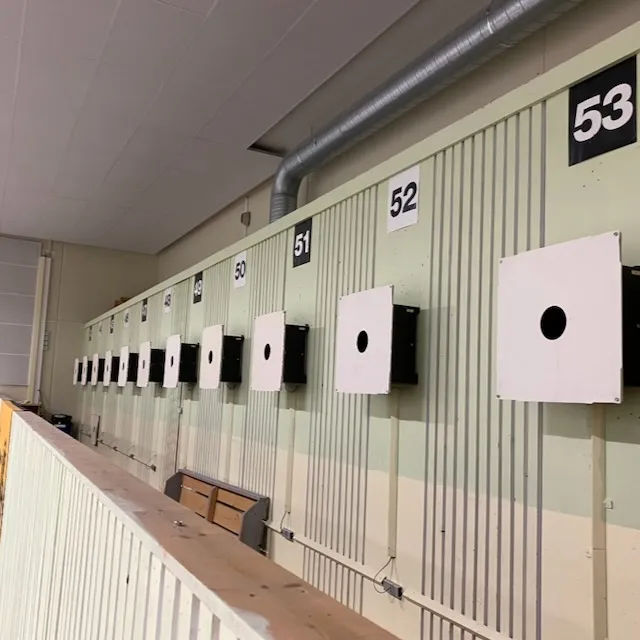
Why does my breathing fall apart in competition?
 MORTEN’S ANSWER
Stress shortens the exhale. Lengthen it deliberately—this tells the nervous system it’s safe to perform.
When Breathing Stops Being Automatic
Many shooters notice the same pattern:
training feels calm and rhythmic, but competition feels tight, rushed, and breathless.
This isn’t a technical failure. It’s a nervous system response.
Under match pressure, your body shifts into a mild fight-or-flight state. Heart rate rises, muscle tone increases, and—most importantly for precision shooting—the exhale becomes shorter and incomplete. Breathing moves higher into the chest instead of staying relaxed and diaphragmatic.
The result is familiar:
- Difficulty settling into the aiming area
- Increased movement in hold
- Rushed trigger decisions
- A feeling of “having to shoot now”
Breathing hasn’t disappeared—it has simply lost its regulating role.
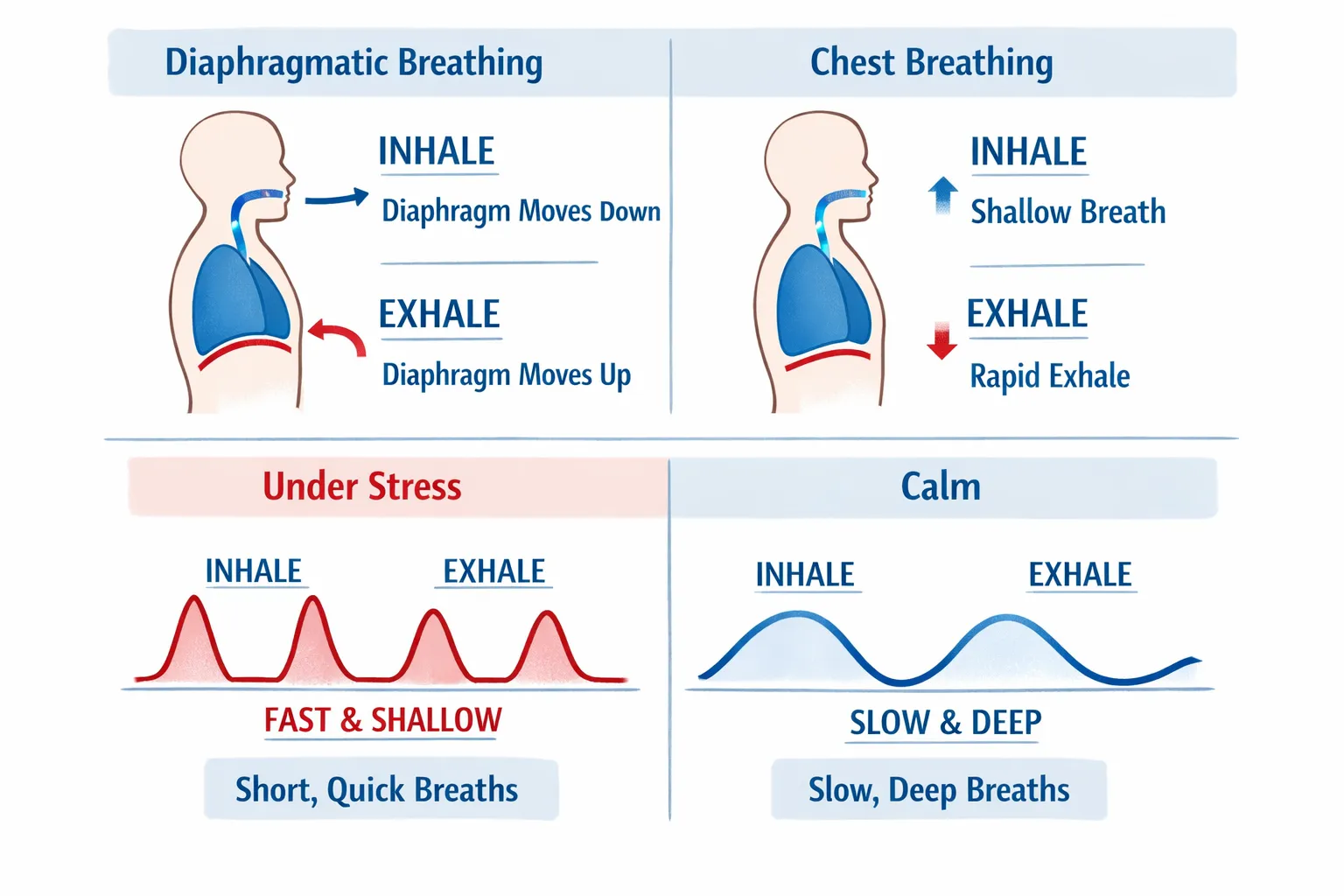
Why the Exhale Matters More Than the Inhale
From a physiological perspective, the exhale is the brake pedal of the nervous system.
A longer, unforced exhale:
- Activates the parasympathetic nervous system
- Reduces unnecessary muscle tension
- Improves fine motor control
- Extends the usable aiming window
In contrast, stress shortens the exhale automatically. When this happens, the body stays in a state of readiness instead of precision.
This is why many elite shooters don’t focus on “taking a deep breath,” but instead on allowing the breath to leave the body fully and calmly before and during the shot process.
Competition Changes the Timing—Not the Skill
One important mental trap is believing:
“My breathing is bad today.”
In reality, your breathing pattern is responding correctly to perceived threat—crowds, rankings, expectations, or self-judgment.
The solution is not control through force, but permission through rhythm.
When you deliberately lengthen the exhale—even by half a second—you send a powerful signal:
“This task is safe. I can stay here.”
That signal stabilizes everything downstream: hold, sight picture, and trigger execution.
A Simple Match-Ready Breathing Cue
Use this during preparation time and between shots:
- Inhale naturally (do not exaggerate)
- Exhale slightly longer than feels necessary
- Let the shoulders, jaw, and grip pressure soften as air leaves
- Begin the shot process within that calm state—not after it
This works because it respects how the nervous system actually functions under pressure.
Train Breathing Where It Breaks
Breathing control must be trained:
- During match simulations
- Under time pressure
- With consequences attached (score goals, penalties, finals-style drills)
If you only practice calm breathing in calm environments, it won’t survive competition.
Make breathing part of your pre-shot routine language, not a last-second fix.
Final Thought
Your breathing doesn’t fall apart in competition because you’re weak.
It changes because your body cares about the outcome.
By deliberately lengthening the exhale, you don’t fight that response—you guide it. And that’s what high-level performance actually looks like.
References
-
Ragnar Skanåker – Master Competitive Pistol Shooting
Emphasizes controlled breathing and its role in stabilizing hold and timing under competition conditions, particularly the importance of relaxed exhalation in precision disciplines. -
JP O’Connor – On the Firing Line (Article: “Breathe, Breathe in the Air”)
Discusses how breathing influences emotional control and shot execution, highlighting breathing as a primary regulator under competitive stress. -
Dr. Heinz Lösel – Competitive Sport Shooting: Practical Sport Psychology (ISSF)
Provides physiological and psychological explanations of anxiety responses in shooters, including breathing pattern changes under pressure. -
Frank L. Gardner & Zella E. Moore – The Psychology of Enhancing Human Performance
Explains how autonomic nervous system regulation (via breath and acceptance) improves fine motor performance in high-pressure environments. -
Željko Todorović – The Fundamentals of Olympic Pistol Shooting
Reinforces breathing as an integrated part of the shot process rather than a standalone action, especially in competition contexts.