
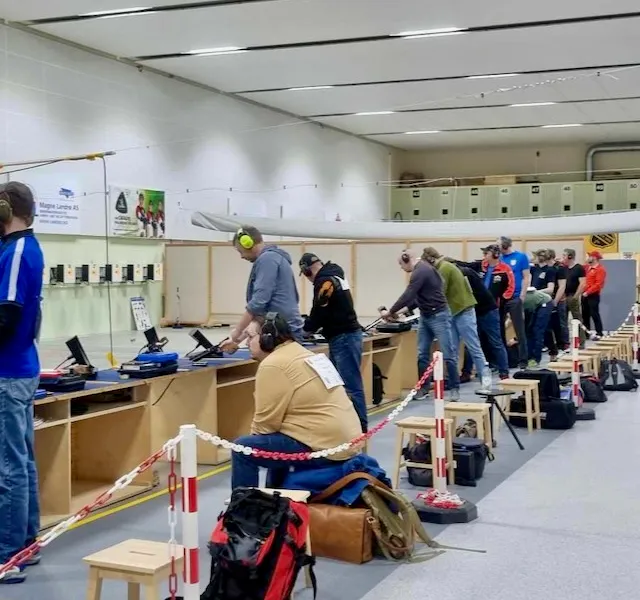
 LATEST ENTRY
 Time Pressure Makes Me Rush
Why rushing under time pressure is not a timing problem—but a routine problem—and how to regain control in competition.
Read the storyEXPLORE THE JOURNAL
A closer look at the details that make a difference. Practical insights from a coach’s notebook.
7 articles
NOTES FROM THE RANGE & BEYOND LATEST ENTRY Why rushing under time pressure is not a timing problem—but a routine problem—and how to regain control in competition.
Read the story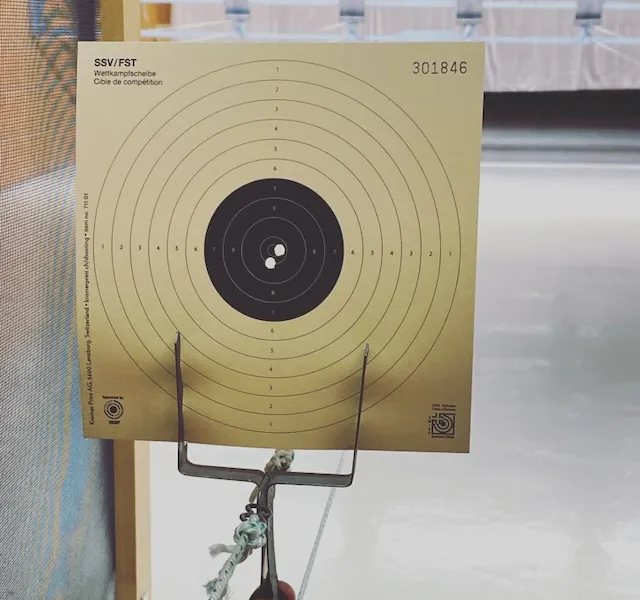
In shooting, real improvement shows up long before the scores do. Learning to respond calmly to both good and bad shots is one of the clearest signs that your process is maturing.
Read the story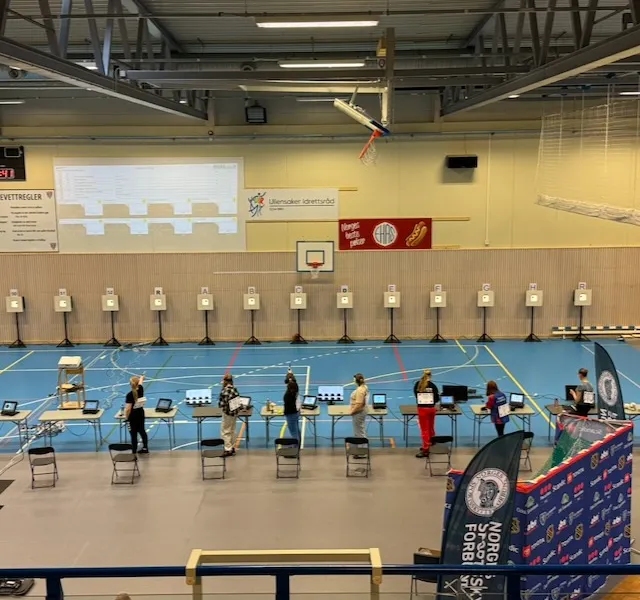
Finals aren’t just another match phase. The pressure, pace, and meaning change how decisions are made—and how shots are fired.
Read the story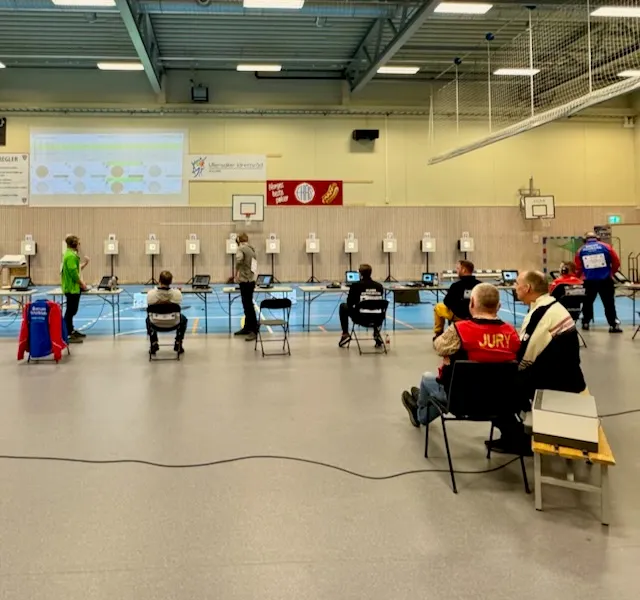
Many shooters perform worse when others are watching—not because of nerves, but because attention shifts from execution to self-awareness. This article explains why visibility affects performance and how to train it like a skill.
Read the story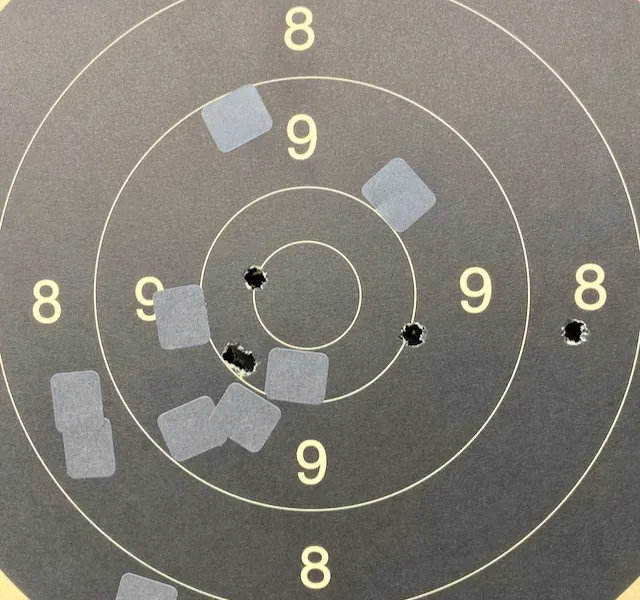
Many matches are lost not because of bad shots, but because of what happens after them. This article explains why the correct response to a bad shot is the same as to a good one—and how a neutral reset protects performance.
Read the story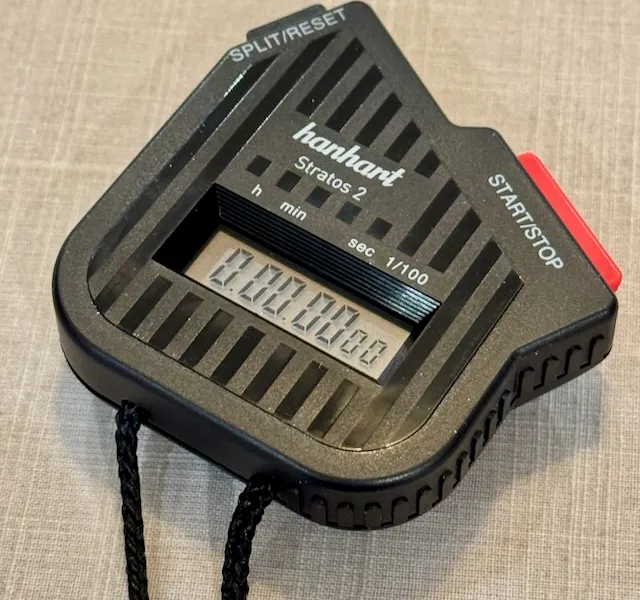
Rushing is not a discipline problem. It’s a decision problem. When shooters wait for perfection, urgency takes over.
Read the story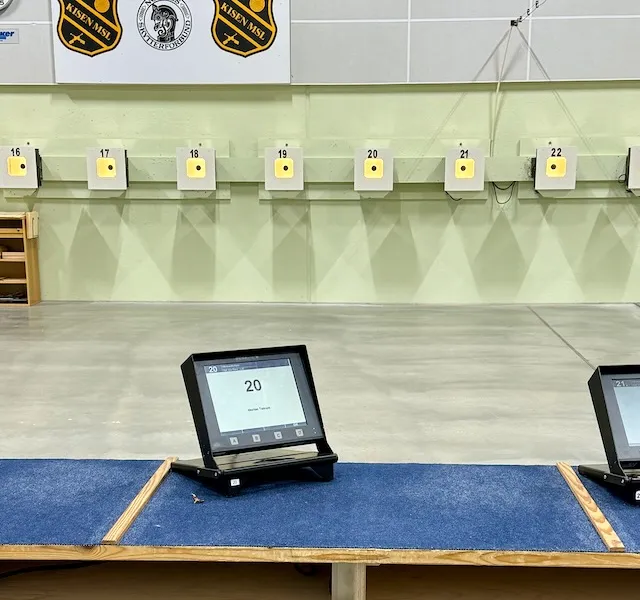
Many shooters recognize this pattern immediately: training feels solid, preparation feels fine—but the first shots in a match are weak, rushed, or poorly executed. After a few shots, things settle. The problem is not technical ability. It’s the transition.
Read the storyTry a different word, or return to the full collection.