
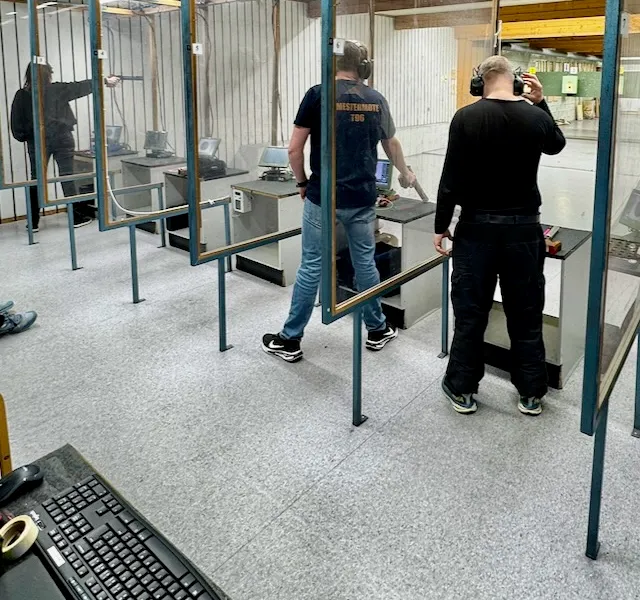
 LATEST ENTRY
 How Fast Should I Reset After a Shot?
Resetting after a shot is not about speed, but neutrality. Learn how elite pistol shooters recover between shots without emotional carryover.
Read the storyEXPLORE THE JOURNAL
A closer look at the details that make a difference. Practical insights from a coach’s notebook.
22 articles
NOTES FROM THE RANGE & BEYOND LATEST ENTRY Resetting after a shot is not about speed, but neutrality. Learn how elite pistol shooters recover between shots without emotional carryover.
Read the story
A stable shooting stance is not about rigidity. Learn why daily variation is normal—and how true consistency comes from balance and alignment.
Read the story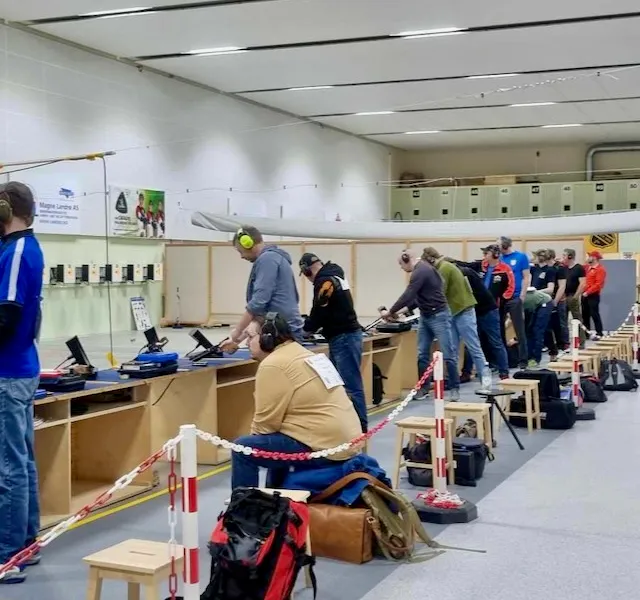
Why rushing under time pressure is not a timing problem—but a routine problem—and how to regain control in competition.
Read the story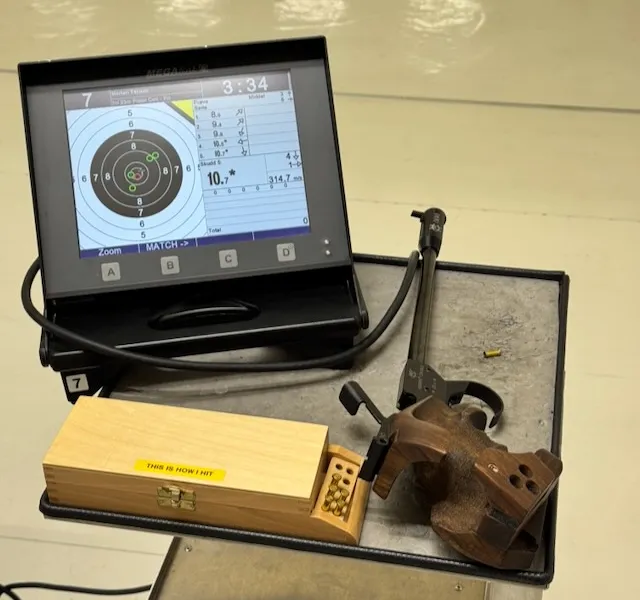
Elite shooters aren’t calmer by nature — they are deeply familiar with pressure. Learn how experience, training design, and mindset transform stress into normality.
Read the story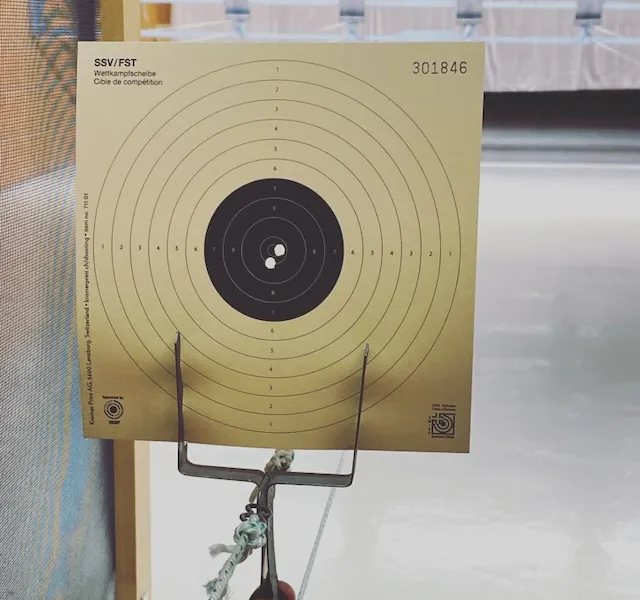
In shooting, real improvement shows up long before the scores do. Learning to respond calmly to both good and bad shots is one of the clearest signs that your process is maturing.
Read the story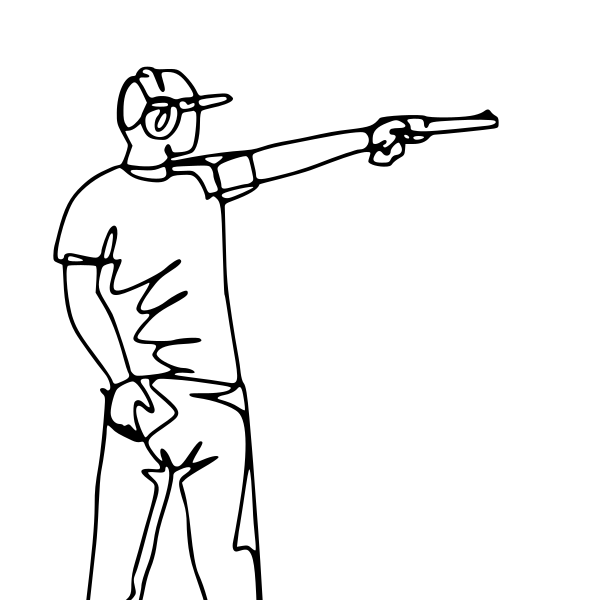
The importance of staying mentally present after the shot
Read the story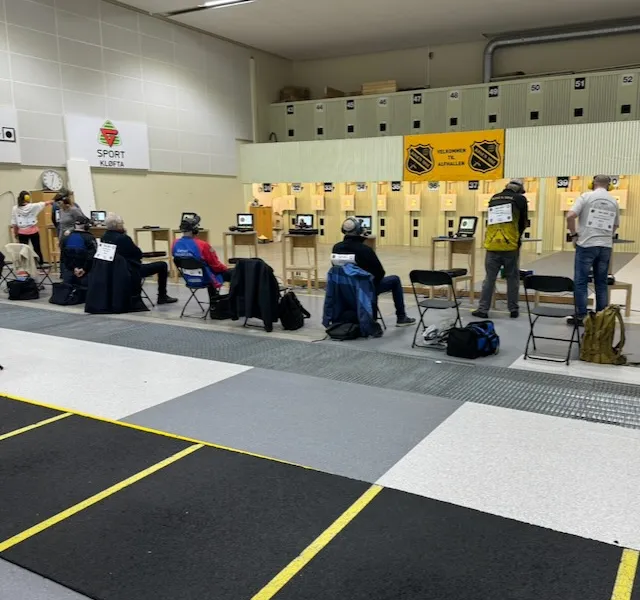
Why technical corrections belong in training, not competition — and what to do instead when things go wrong on the firing line.
Read the story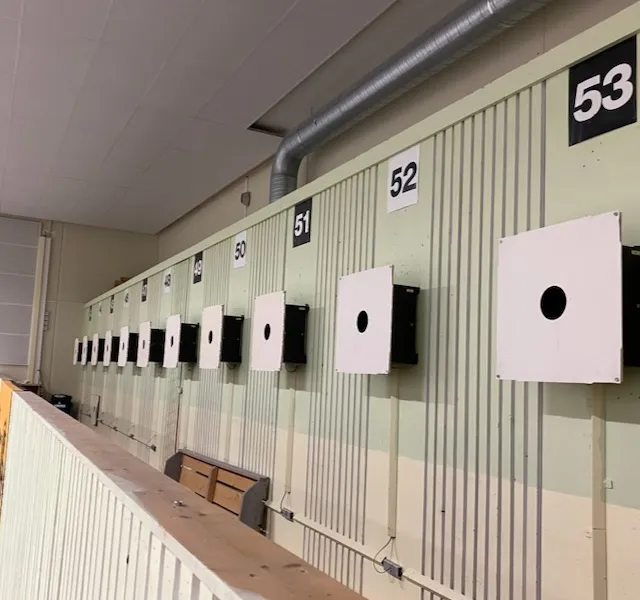
Competition stress shortens the exhale and disrupts rhythm. Learn why this happens and how deliberate breathing restores control and performance.
Read the story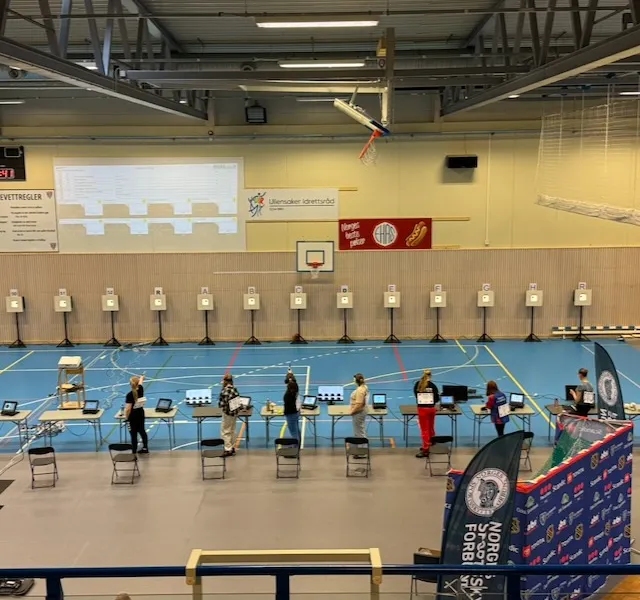
Finals aren’t just another match phase. The pressure, pace, and meaning change how decisions are made—and how shots are fired.
Read the story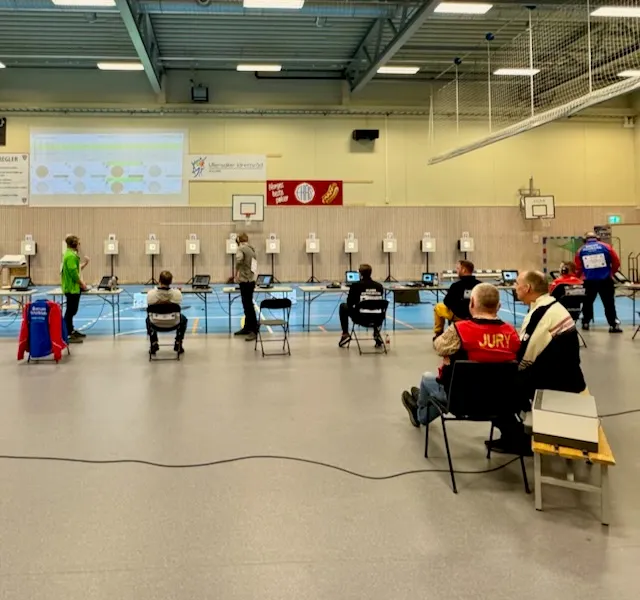
Many shooters perform worse when others are watching—not because of nerves, but because attention shifts from execution to self-awareness. This article explains why visibility affects performance and how to train it like a skill.
Read the story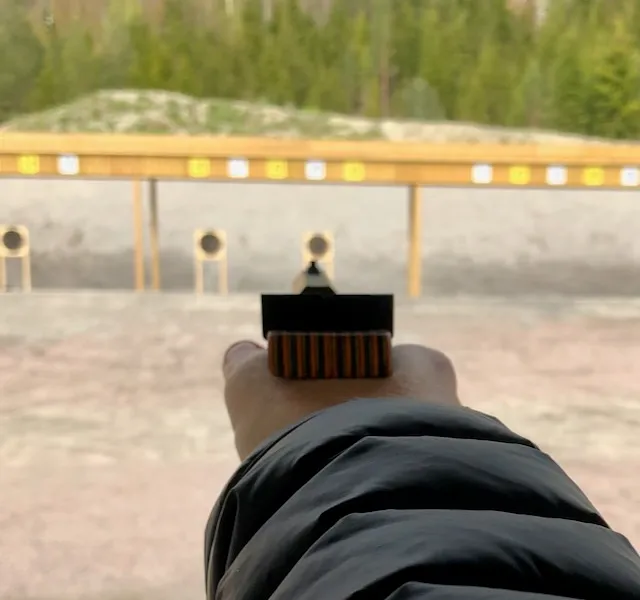
Shaking during aiming is rarely a strength problem. It is usually a control problem. This article explains why trying to hold still creates instability—and how accepting movement leads to calm execution.
Read the story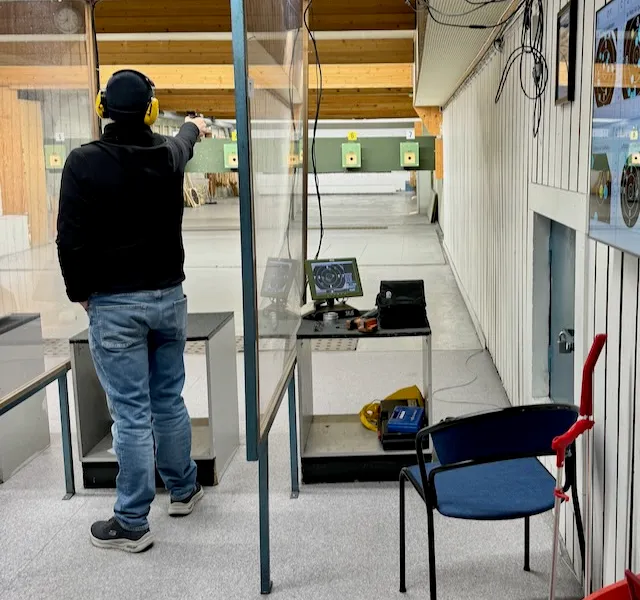
Many shooters believe the sights must stay perfectly still in the center to shoot well. In reality, predictable movement inside the 9-ring is often a sign of healthy technique. This article explains why consistency matters more than tightness.
Read the story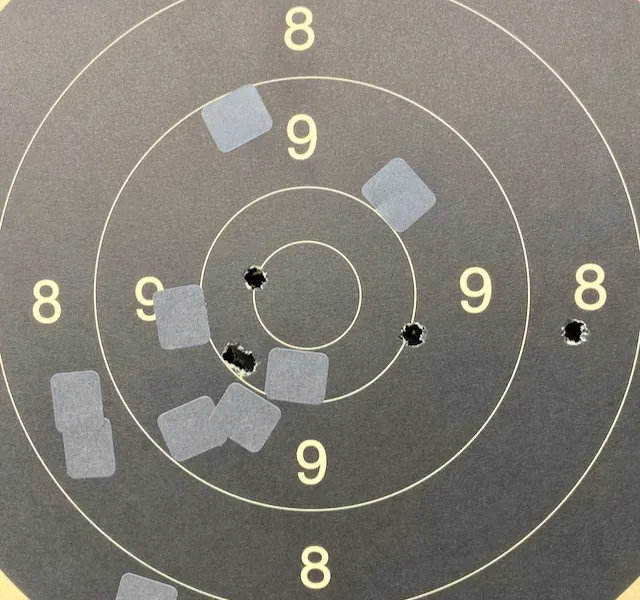
Many matches are lost not because of bad shots, but because of what happens after them. This article explains why the correct response to a bad shot is the same as to a good one—and how a neutral reset protects performance.
Read the story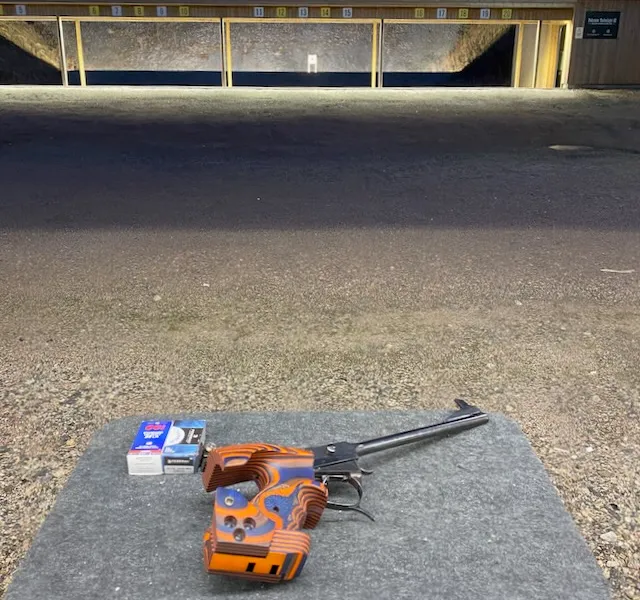
Many shooters ask whether their trigger pull should be slow or fast. The correct answer is neither. What matters is continuity. This article explains why uninterrupted pressure solves timing, rushing, and hesitation.
Read the story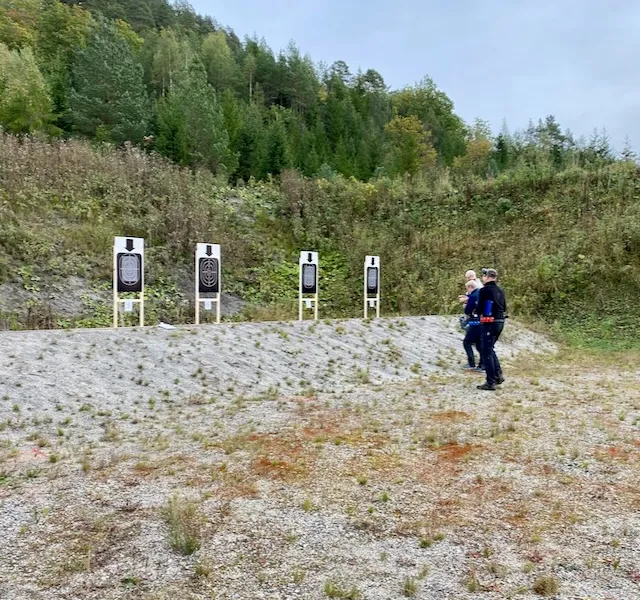
Overthinking is not a lack of discipline. It is a misunderstanding of where control actually belongs in the shot. This article explains how a clear shot plan defines where preparation ends—and trust begins.
Read the story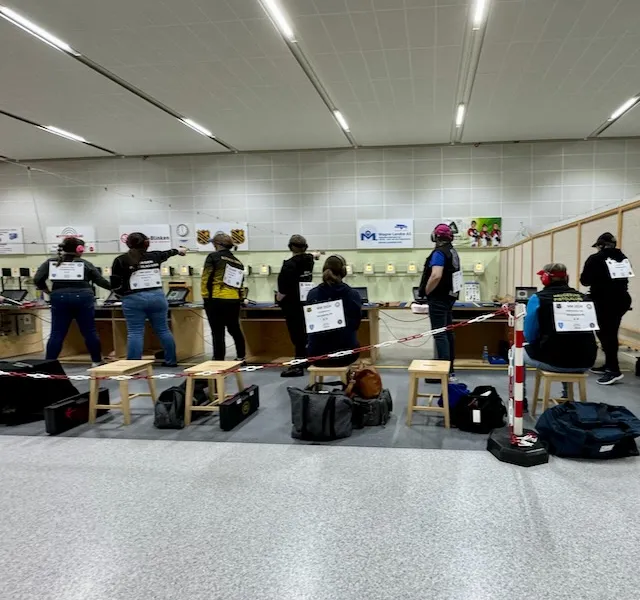
Many shooters believe good aiming requires intense concentration. In reality, aiming improves when attention becomes quieter, simpler, and more observational.
Read the story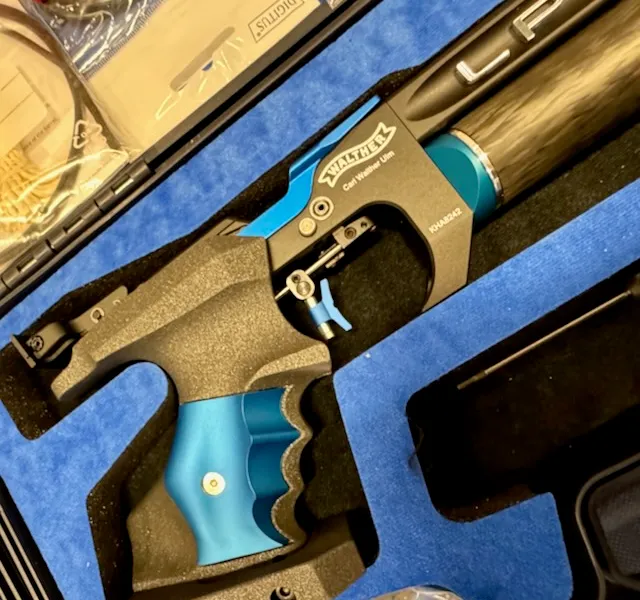
Dry fire removes recoil, noise, and score—revealing exactly what your technique is doing. It is where execution becomes honest.
Read the story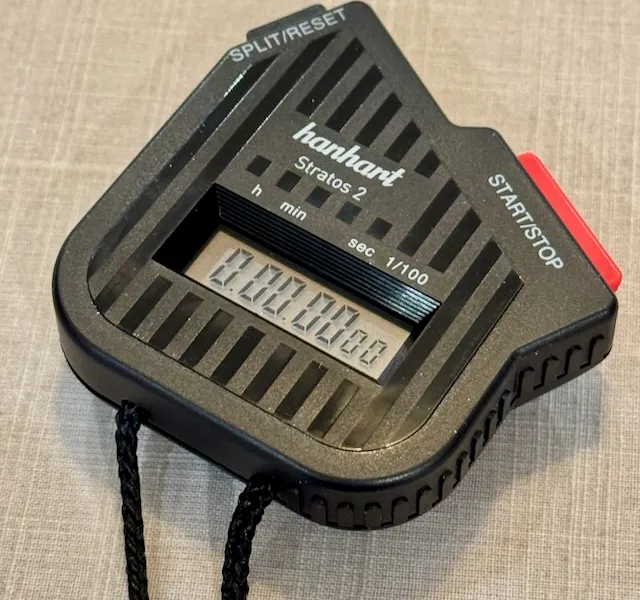
Rushing is not a discipline problem. It’s a decision problem. When shooters wait for perfection, urgency takes over.
Read the story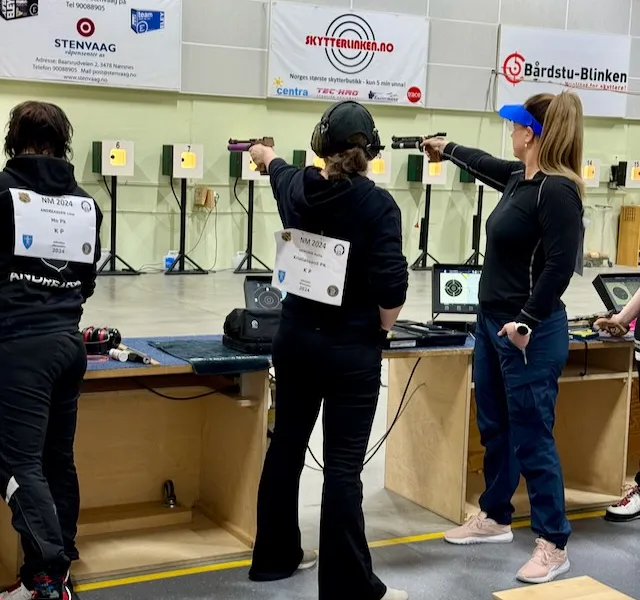
Grip pressure is one of the most misunderstood elements in pistol shooting. Many shooters search for a precise number or sensation—exactly how hard they should grip—only to become more tense and inconsistent.
Read the story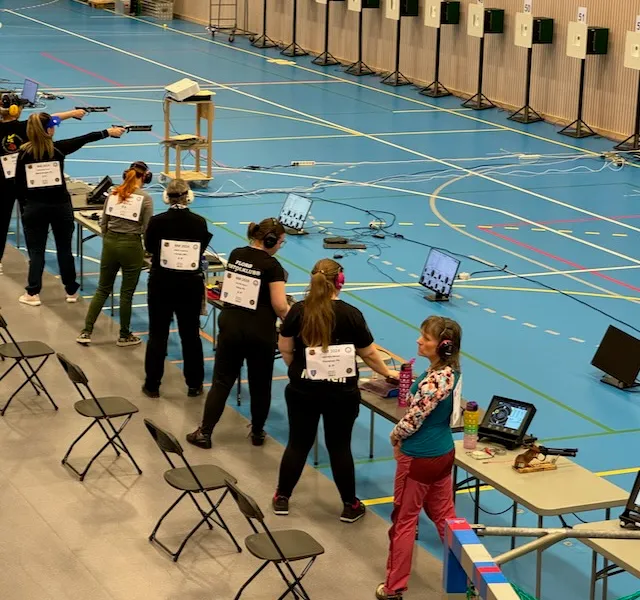
Many shooters assume tension appears only under pressure: competitions, finals, important shots. So when tension shows up during an easy training session, it feels confusing—or even discouraging.
Read the story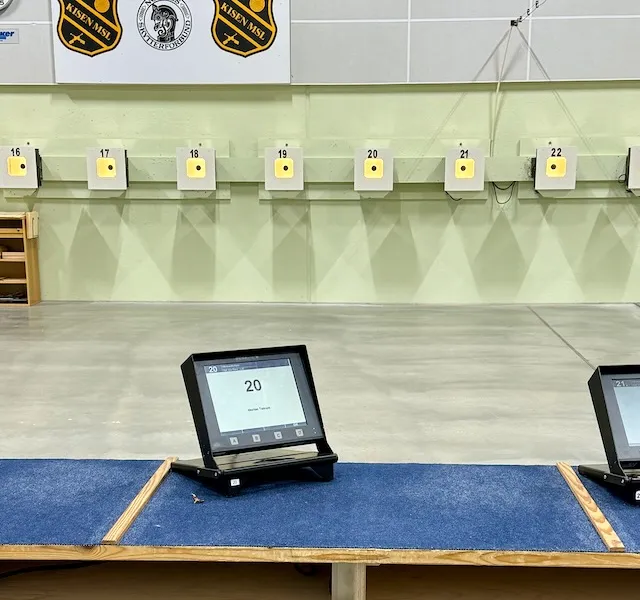
Many shooters recognize this pattern immediately: training feels solid, preparation feels fine—but the first shots in a match are weak, rushed, or poorly executed. After a few shots, things settle. The problem is not technical ability. It’s the transition.
Read the story
Weekly Shooting Q&A is a coaching series built around common questions pistol shooters face in training and competition.
Read the storyTry a different word, or return to the full collection.